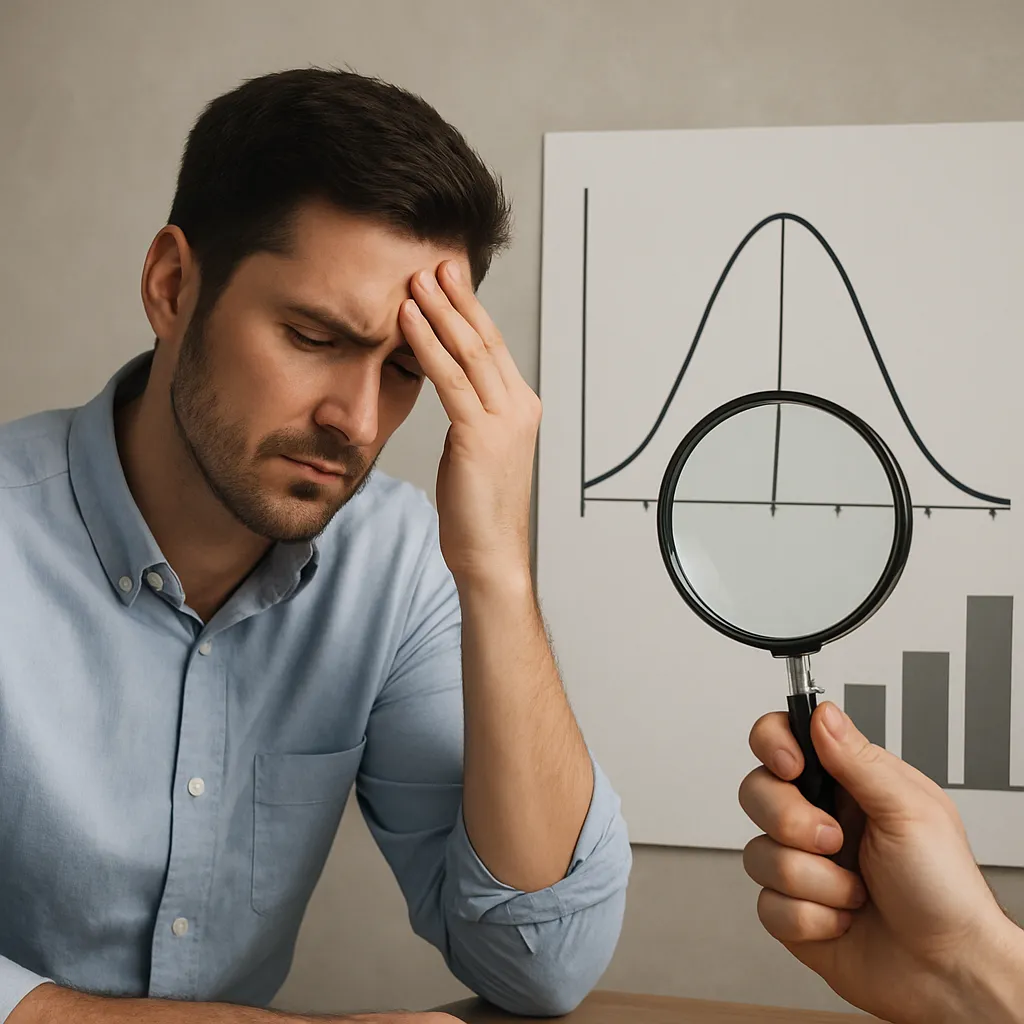
In a world awash with numbers, it is tempting to believe that **data** speaks for itself. Yet beneath the surface of charts, tables, and statistical models lies a complex interplay between human cognition and quantitative evidence. When **biases** slip into the analytic process, they can warp the truth that statistics were meant to uphold. This article explores how judgment can distort the interpretation of numbers and offers guidance on preserving the integrity and **validity** of statistical insights.
The Power and Limitations of Data
From scientific discovery to business intelligence, numbers fuel decision-making in virtually every domain. The impressive reach of statistical methods owes much to rigorous techniques designed to measure uncertainty and reveal patterns. However, the mere existence of figures does not guarantee accurate conclusions. Statistical tools depend on assumptions about populations, **sampling**, and underlying distributions. When these assumptions fail, the seemingly objective veneer of numbers can crack.
Why Pure Numbers Aren’t Enough
- Context determines meaning. A 10% increase in sales can be remarkable in a mature market yet trivial in a fast-growing startup.
- Errors in data collection – from flawed surveys to missing entries – undermine the reliability of any analysis.
- Overreliance on automated algorithms may obscure data quality issues or perpetuate hidden biases rather than correct them.
Even advanced statistical techniques like regression or Bayesian inference cannot compensate for fundamentally flawed premises. Understanding how numbers can mislead requires acknowledging that they are slices of reality, not reality in its entirety.
Cognitive Biases in Statistical Interpretation
Human judgment often acts as the final filter between raw numbers and actionable insight. Unfortunately, common mental shortcuts can distort perception of risk, likelihood, and correlation.
Anchoring and Adjustment
When presented with an initial figure or estimate, individuals tend to anchor on it and make insufficient adjustments. For example, if a sales forecast starts at $1 million, stakeholders may reinterpret every subsequent figure through that lens, downplaying signs of decline or exaggeration.
Confirmation Bias and Cherry-Picking
Researchers and analysts sometimes seek evidence that confirms preexisting beliefs, ignoring contradictory data points. This can manifest as selective reporting of significant results or post hoc alteration of hypotheses to fit the observed outcomes.
The Gambler’s Fallacy and Misreading Probability
Even trained professionals struggle with probabilistic thinking. The misconception that a series of similar events affects future outcomes leads to misjudgment of rare events, undermining the integrity of risk assessment models.
- Believing that a coin is “due” to land heads after several tails violates the principle of independent trials.
- Misinterpreting p-values as the probability that a hypothesis is true rather than the chance of observed data given the null hypothesis.
By recognizing common cognitive pitfalls, analysts can build checks and balances into their workflows. Peer review, blind analysis, and pre-registration of studies are among the measures that guard against unintentional distortions.
Strategies to Safeguard Statistical Truth
The path to robust statistical practice involves more than mathematical rigor; it demands careful attention to human factors and process design.
Emphasize Transparency and Reproducibility
- Share raw datasets, code, and assumptions so that third parties can verify results. Transparency fosters trust and uncovers errors that might otherwise remain hidden.
- Document every decision point, from outlier treatment to model selection criteria.
Strengthen Data Quality Controls
Implement automated validation checks and manual audits to detect anomalies or missing values. The earlier you catch data issues, the less likely they will skew final interpretations.
Adopt a Culture of Critical Review
Regularly invite external experts to challenge findings. Fresh perspectives can reveal entrenched biases and stimulate alternative hypotheses. Encourage teams to ask:
- Could this result be driven by an unobserved confounder?
- How sensitive are conclusions to changes in key assumptions?
- What alternative models or methods might offer different insights?
Case Studies: When Judgment Meets Numbers
Inflated Health Claims in Clinical Trials
A team reported a breakthrough drug that reduced symptoms by 30%. Initial enthusiasm drove further investment. But an independent review uncovered selective reporting: only favorable endpoints were published while several failed measures were omitted. The final verdict? The true effect hovered around 5%, barely distinguishable from placebo. This illustrates how confirmation bias and publication pressure can conspicuously distort medical evidence.
Financial Forecast Missteps
During a bull market, analysts predicted consistent annual returns of 15%. Anchored by recent gains, they underestimated the likelihood of downturns. When a recession struck, portfolios suffered 40% losses. Risk models assumed returns followed a normal distribution; they missed the fat tails that characterize market crashes. Such overconfidence in model outputs, without stress-testing extreme scenarios, can mislead investors into perilous positions.
Social Science Surveys and Wording Effects
A large-scale survey suggested overwhelming public support for a policy. Yet follow-up experiments revealed that slight changes in question wording flipped responses dramatically. This example underscores the sensitivity of human respondents to phrasing, reminding researchers to pilot test instruments and consider cultural or linguistic factors. Absent these safeguards, survey results become a reflection of question construction rather than genuine preferences.
Conclusion
Numbers can illuminate truths that elude intuition, yet they remain vulnerable to human interpretation. By acknowledging cognitive biases, emphasizing process transparency, and maintaining rigorous quality controls, analysts can honor the promise of statistics. The journey from raw data to reliable insight is fraught with pitfalls, but with deliberate practices, we can minimize distortion and let the numbers speak more clearly than ever before.