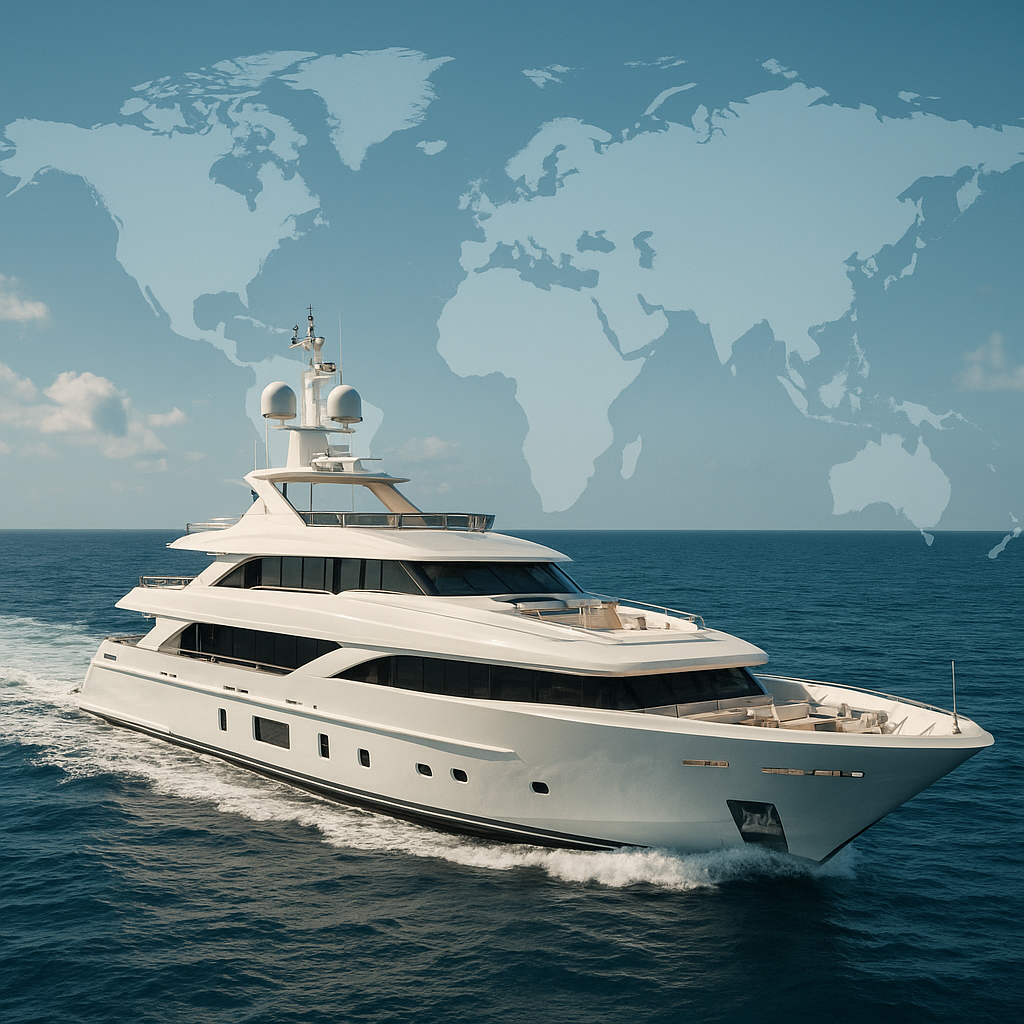
Yachting has evolved from a niche pastime for the few into a dynamic, global lifestyle industry that reflects broader economic, technological and cultural shifts. Platforms like yachtsboats.co.uk illustrate how access to yachts, information and services is becoming more streamlined, transparent and international. At the same time, environmental awareness, digital innovation and changing consumer expectations are reshaping how people buy, charter and experience yachts. From compact day boats and explorer vessels to ultra-luxury superyachts, the sector is adapting to new patterns of demand, emerging markets and a younger, more diverse clientele. Understanding these global yachting trends helps shipyards, brokers, marinas and service providers anticipate what owners and charter guests will expect over the coming decade.
Growth of the global yacht market
The global yacht market has expanded steadily over the last decade, supported by rising wealth in both traditional and emerging regions. North America and Europe remain the core hubs, but Asia-Pacific, the Middle East and parts of Latin America are becoming increasingly relevant. High-net-worth individuals are seeking not only status symbols, but also privacy, flexibility and the ability to travel independently of crowded destinations.
Yacht ownership is no longer limited to massive vessels. There is robust demand for small and mid-sized craft suitable for coastal cruising, island hopping and weekend trips. This diversification broadens the customer base and encourages new owners to enter the market at more accessible price points. At the top end, superyachts and mega yachts continue to capture attention, with ever larger dimensions, more complex onboard systems and exceptionally high standards of comfort and design.
After pandemic-related disruptions, the charter sector surged as many travellers looked for safer, more controlled environments than traditional resorts. This created a powerful demonstration effect for first-time guests, some of whom later moved into ownership or co-ownership models. As a result, the line between charter customer and owner is increasingly fluid, contributing to long-term market resilience.
Environmental and sustainability trends
One of the most important global trends is the industry’s drive toward greater **sustainability**. Regulators, coastal communities and yacht users are increasingly conscious of emissions, waste and the ecological impact of marine leisure activities. Shipyards are investing in more efficient hull designs, lightweight materials and advanced propulsion technologies that reduce fuel consumption and pollution.
Hybrid and electric propulsion systems are gaining traction, especially in smaller yachts and tenders, but also in larger units where hybrid configurations can significantly cut fuel use during slow cruising or at anchor. Solar panels, energy recovery systems and smart power management are becoming standard features on new models, helping reduce reliance on diesel generators.
Onboard, designers prioritize low-impact materials, sustainable woods and eco-friendly finishes. Waste management systems are more advanced, separating and treating grey and black water, and shredding or compacting solid waste. Owners and charterers are also more likely to choose marinas and destinations that demonstrate strong environmental practices.
The concept of **eco-friendly** yachting extends to itinerary planning. Longer stays in fewer locations, respectful anchoring practices, cooperation with marine parks and participation in ocean conservation programs are becoming part of the mainstream yachting narrative. This shift is not just a marketing message; it increasingly influences purchasing decisions and the perception of brand value.
Design innovation and onboard lifestyle
As yachting becomes more lifestyle-oriented, interior and exterior design trends focus on comfort, versatility and connection to the sea. Open-plan layouts, floor-to-ceiling windows and fold-down terraces blur the boundary between interior and exterior spaces. Beach clubs and sea-level lounges have become standard even on mid-sized yachts, providing direct access to the water and a resort-like atmosphere.
Contemporary yachts emphasize natural light, clean lines and a residential feel. Clients want their vessels to function as second homes or floating **villas**, with personalized decor that reflects their tastes. Flexible guest cabins, convertible spaces and modular furniture allow the same yacht to host a family vacation one week and a corporate event the next.
Wellness is another major driver. Gyms, spas, massage rooms, saunas and even dedicated meditation areas are appearing on an increasing number of yachts. Owners expect high-quality sound systems, cinema rooms and professional-grade kitchens. At the same time, there is a trend toward simplifying operations for smaller crews through automation, intuitive controls and integrated digital monitoring.
Outdoor living is central to the design philosophy. Multiple decks, jacuzzis, shaded lounges and fully equipped bars cater to social life on board. Water toy garages hold tenders, jet skis, paddleboards, diving gear and other equipment that extend the entertainment options far beyond the yacht itself.
Technology and digital transformation
Advanced **technology** underpins many of the most notable changes in the yachting world. Navigation, safety and communication systems have become more powerful, yet more user-friendly. Touchscreen interfaces, integrated bridges and remote monitoring enable crews to oversee engines, electrical systems and hotel functions from centralized dashboards.
Connectivity is a key expectation. Owners and guests want seamless internet access for work, streaming and communication, even in remote regions. Satellite communications, 5G near coasts and smart bandwidth management solutions are now crucial design considerations. The yacht is increasingly a mobile office as well as a leisure space, reflecting the rise of hybrid work lifestyles.
Digital platforms influence how yachts are bought, sold, chartered and managed. Online listings, virtual tours, 3D walkthroughs and configuration tools enable clients to explore options without traveling to boat shows or shipyards. Management software helps owners and captains track maintenance, crew scheduling, inventory and compliance documentation more effectively.
In parallel, cybersecurity has emerged as a serious concern. As yachts become more connected, operators must protect navigation systems, personal data and onboard networks from unauthorized access. Shipyards and integrators now treat secure architecture as a core component of modern design, and crews receive training in digital best practices.
Charter, shared ownership and access models
The traditional model of full private ownership is being complemented by a variety of **charter** and shared-access arrangements. Many clients are more interested in using a yacht than in owning and maintaining it year-round, and this preference strongly shapes global trends.
Charter markets in the Mediterranean, Caribbean and Indian Ocean are expanding in both volume and diversity. Guests can choose from bareboat options for experienced sailors, crewed yachts for families or luxury superyacht charters with full professional crews and chefs. Shorter charters and themed itineraries, such as wellness retreats or adventure cruises, are attracting new demographics.
Fractional ownership and yacht clubs provide structured solutions for those who want regular access without full financial and administrative responsibility. Members pay for a share of the asset and receive guaranteed usage rights, while a management company handles maintenance, crew, insurance and regulatory compliance. This model allows more people to participate in yachting and supports more efficient use of the global fleet.
Subscription-based access is also emerging, where clients pay a monthly or annual fee for flexible usage of different yachts within a fleet. This reflects a broader consumer shift from ownership to **experience** and aligns with younger users who value variety and convenience.
Demographic shifts and changing expectations
The profile of yacht users is becoming more diverse in terms of age, nationality and lifestyle. Younger entrepreneurs, especially from technology and finance sectors, are entering the market earlier than previous generations. They tend to prioritize digital integration, sustainability and experiential value over traditional symbols of prestige.
Women play a more visible role as owners, charter clients and industry leaders, influencing design choices and service expectations. Family-friendly layouts, safety features and educational onboard experiences for children are in higher demand, reshaping interior design and crew training.
Globalization has also broadened the cultural landscape of yachting. New owners from Asia, the Middle East and Africa bring distinct preferences regarding layout, hospitality, cuisine and entertainment. Shipyards and designers respond with more adaptable configurations and customizable spaces, ensuring that each yacht can reflect the cultural identity of its owner.
This demographic evolution is driving a service culture that emphasizes personalization, inclusivity and authenticity. Crew members are expected to possess not only technical skills, but also cultural sensitivity, language abilities and hospitality expertise on par with the best luxury hotels.
Emerging destinations and explorer yachts
Another strong global trend is the desire to go beyond traditional cruising grounds. While the Mediterranean and Caribbean remain central, interest is growing in less crowded or more adventurous regions, such as northern Europe, polar areas, the South Pacific and remote archipelagos. This demand fuels the rise of **explorer** and expedition yachts designed for long-range autonomy and challenging conditions.
Explorer yachts often feature reinforced hulls, increased fuel and water capacity, robust tenders, research or diving facilities and storage for specialized equipment. Onboard labs, submersibles and helicopters are no longer rare on high-end vessels. Their owners want to engage with nature in a deeper way, combining luxury with scientific curiosity or environmental awareness.
These trends influence marina development and infrastructure. New ports and service points arise in previously underdeveloped areas, offering provisioning, maintenance and safe harbours, but with a focus on preserving local ecosystems and cultural heritage. Collaboration between yacht operators and local communities helps ensure that economic benefits are broadly shared.
Seasonality patterns are also shifting. Some yachts now follow complex migration routes that avoid peak crowds, chasing optimal weather and specific wildlife events. This flexible approach to itinerary planning is made possible by better forecasting tools, global support networks and the long-range capabilities of modern designs.
Regulation, safety and professionalization
As the industry grows, it faces more sophisticated regulatory frameworks. International safety conventions, emission controls and crew certification standards shape how yachts are built and operated. Compliance is no longer an afterthought; it is embedded into design and management from the earliest stages.
Flag states and classification societies require advanced safety systems, including fire detection and suppression, lifesaving equipment, redundancy in critical systems and robust structural standards. Crew training focuses on emergency response, medical skills, security procedures and environmental protection. This professionalization enhances the overall reputation of the sector and reassures new entrants.
Port state controls and marine protected areas add layers of responsibility regarding where and how yachts can operate. Respect for local regulations and sensitive environments becomes part of the core competence of captains and managers. Many owners see strict compliance as a way to protect their investment and ensure long-term access to the most desirable cruising areas.
Insurance and risk management have also become more complex, especially for large and highly customized yachts. Providers carefully evaluate navigation zones, onboard activities, crew profiles and maintenance records. As a result, transparent data and proper documentation are increasingly valuable assets for all stakeholders.
Market challenges and future outlook
Despite its positive trajectory, the yachting sector faces several challenges. Supply chain disruptions, skilled labour shortages and rising material costs can delay construction and refits. Geopolitical tensions and macroeconomic uncertainty affect owner confidence, charter bookings and cruising routes.
However, the industry has demonstrated resilience by embracing innovation and adapting to shifting demand. Customization, modular construction and advanced project management tools help shipyards improve efficiency. Brokerage networks leverage digital channels to reach global audiences and match buyers with suitable vessels more quickly.
Over the next decade, electrification, **automation** and data-driven services are likely to accelerate. Fully electric yachts may become viable for specific use cases, especially in coastal and lake environments with adequate charging infrastructure. Autonomous navigation support will enhance safety and reduce crew workload, even if fully crewless superyachts remain distant.
The integration of predictive maintenance, remote diagnostics and performance analytics will transform how fleets are managed. Owners will receive real-time insights into fuel efficiency, system health and usage patterns, enabling smarter decisions about upgrades and operations. This emphasis on **efficiency** supports both cost control and environmental goals.
Conclusion: a more accessible and responsible yachting culture
Globally, yachting is evolving from an exclusive symbol of wealth into a more varied and accessible field centered on experiences, exploration and responsible enjoyment of the sea. Environmental awareness, technological progress and new access models are lowering barriers while also raising expectations for professionalism and **quality**.
From compact electric day boats and shared-usage fleets to long-range explorer vessels and bespoke superyachts, there is now a broad spectrum of options to suit different budgets and lifestyles. The future of yachting will likely be defined by ongoing **innovation**, stronger partnerships with coastal communities and a deeper commitment to protecting the oceans that make this form of travel possible.
Stakeholders who anticipate these trends, embrace sustainability and harness digital tools will be best positioned to succeed. As global interest continues to expand, the industry has a unique opportunity to shape a more inclusive, environmentally aware and technologically advanced era of life at sea.