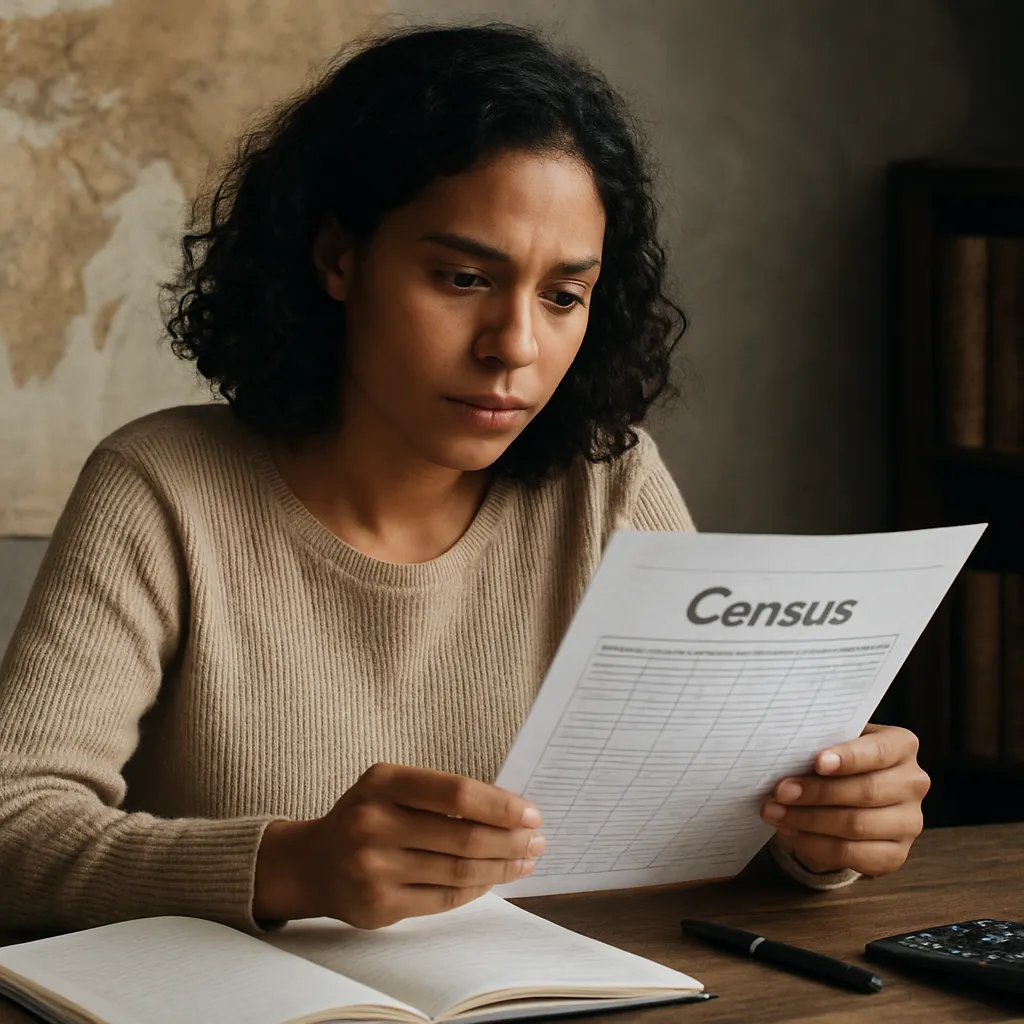
Population figures often appear as simple numbers, yet each statistic conceals a tapestry of human experiences, institutional processes, and methodological choices. By examining these underlying factors, we can reveal stories of growth, decline, migration, and policy impacts that shape societies. This exploration unpacks how statisticians transform raw counts into meaningful narratives, the pitfalls they navigate, and the innovations guiding future inquiries into human populations.
Data Sources and Measurement
Understanding population data begins with identifying the census and survey mechanisms that quantify people across regions. Traditional decennial censuses provide comprehensive snapshots but face logistical challenges, high costs, and delays. Administrative registers—such as birth certificates, school enrollments, and tax records—offer continuous updates but may lack uniform coverage. Meanwhile, large-scale household surveys supplement official counts by probing socioeconomic dimensions, yet rely heavily on sampling frames that can exclude transient or marginalized groups.
Key to deriving accurate figures is addressing measurement error at each stage. Respondents may misreport ages, skip questions, or misunderstanding items. Enumerators might follow inconsistent procedures or inadvertently introduce transcription errors. Moreover, evolving definitions—what constitutes a household, who is counted as a resident—affect comparability over time. To guard against such issues, statisticians deploy validation checks, reinterviews, and dual-system estimations that cross-reference independent lists.
Innovations in Data Collection
- Mobile phone surveys reaching remote or nomadic populations.
- Satellite imagery combined with machine-learning algorithms to estimate population density in informal settlements.
- Integration of social media geotags for near real-time migration tracking.
- Use of blockchain for secure, transparent management of registry updates.
By blending traditional methods with technological advances, researchers strive to enhance the reliability and timeliness of population estimates, while respecting privacy and minimizing respondent burden.
Uncovering Biases and Errors
No dataset is free of imperfections; uncovering hidden distortions demands a rigorous approach to bias detection. Coverage errors arise when segments of the population—such as undocumented migrants or homeless individuals—remain uncounted. Nonresponse bias skews results if certain demographics systematically refuse participation. Meanwhile, processing errors can creep in through data entry, coding inconsistencies, and merges across disparate sources.
Common Error Types
- Coverage Error: Missing populations due to inaccessible locations or outdated frames.
- Nonresponse Error: Unrepresented voices when individuals opt out or cannot be contacted.
- Measurement Error: Misreporting dates, family relationships, or economic activity.
- Processing Error: Mistakes in data cleaning, aggregation, or imputation procedures.
Strategies to mitigate these issues include designing targeted outreach for hard-to-reach groups, applying post-stratification weights to adjust for differential response rates, and implementing quality assurance protocols at each step. By understanding the nature of each error, analysts can produce more credible estimates with transparent margins of error, enabling policymakers to gauge the confidence they should place in population figures.
Interpreting Population Trends
Once data are collected and cleaned, the journey into demography truly begins. Time-series analyses reveal patterns of growth and decline that reflect fertility, mortality, and migration. Age-structure diagrams—often called population pyramids—highlight the proportion of youth, working-age adults, and seniors, thereby indicating potential challenges such as labor shortages or pension funding pressures.
Understanding these structures requires dynamic modeling. Cohort-component methods project future populations by simulating births, deaths, and migratory flows across age cohorts. These models rest upon vital rate estimates: age-specific fertility rates, survival probabilities, and migration matrices. By adjusting assumptions—such as declines in fertility or sudden spikes in emigration—statisticians generate multiple scenarios that inform policy debates.
Case Study: Urban Expansion
Consider City X, where rapid economic growth attracts rural migrants. Official counts indicate a 15% population surge over five years, yet municipal services lag behind. By overlaying settlement density maps with health service utilization data, analysts discover that new arrivals predominantly occupy peripheral zones. Such insights drive targeted investments in transportation, schools, and clinics to match emerging needs. This example shows how raw numbers transform into actionable intelligence through visualization and spatial analysis.
Moreover, interpreting trends demands sensitivity to historical and cultural contexts. Periods of political upheaval, epidemics, or natural disasters can create abrupt shifts that defy linear projections. Recognizing unseen patterns—such as cyclical return migrations or dual residency practices—ensures that forecasts remain grounded in local realities.
Ethical Considerations and Future Directions
The surge of big data and advanced analytics offers fresh opportunities to refine population statistics, yet brings ethical dilemmas. Integrating mobile phone metadata, social media footprints, and credit histories can yield granular insights into movement and economic status. However, these approaches risk infringing on individual privacy if not governed by strict ethics and data protection standards. Transparency about data sources, algorithms, and intended uses is critical to maintaining public trust.
Emerging techniques such as synthetic data generation—creating artificial records that mirror real-world distributions—seek to balance data utility with confidentiality. Machine-learning models can detect anomalies and harmonize records from diverse inputs, improving representation of historically undercounted groups. Yet algorithmic biases must be monitored, as training sets often reflect past inequities.
Recommendations for Responsible Practice
- Establish clear governance frameworks for data access and use, with stakeholder input.
- Implement robust anonymization and differential privacy methods to protect individuals.
- Conduct regular audits to identify and correct algorithmic biases.
- Foster interdisciplinary collaborations between statisticians, ethicists, and community representatives.
Looking ahead, harnessing innovations in geospatial analytics, cloud computing, and participatory mapping promises to deepen our understanding of human populations. By combining rigorous methodology with ethical vigilance, the next generation of statisticians will continue to unravel the hidden stories embedded in population data, guiding smarter policies and more equitable outcomes.